
 Sokoto at Three: Assessing Ahmed Aliyu’s Development Footprints and the Journey Ahead
By M.A. Dangusau
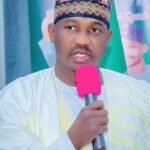
Three years after assuming office as the Governor of Sokoto State, Ahmed Aliyu’s administration stands at a defining moment. Having completed three years in office and entered the final year of its first term, the government is increasingly being assessed on the impact of its policies, programmes, and development initiatives across the state.
Since taking office in May 2023, Governor Ahmed Aliyu has anchored his administration on the 9-Point Smart Agenda, a comprehensive policy framework designed to accelerate development across key sectors, including infrastructure, education, healthcare, agriculture, security, youth and women empowerment, economic development, environmental sustainability, and good governance.
Across Sokoto metropolis and many rural communities, the footprints of government are increasingly visible.
New roads, rehabilitated public facilities, expanded educational and healthcare infrastructure, agricultural support programmes, and security interventions reflect an administration determined to bridge infrastructural deficits while improving the quality of life of the people.
Infrastructure development has remained the administration’s most visible achievement.
Recognising that roads are critical to economic growth, trade, and social integration, the government has embarked on the construction and rehabilitation of township and rural roads, drainage systems, bridges, and other public infrastructure. These projects are expected to improve connectivity, facilitate commerce, reduce travel time, and stimulate economic activities across the state.
Urban renewal has also received considerable attention. The ongoing beautification and modernisation of public spaces, alongside improvements to public facilities, is aimed at making Sokoto a cleaner, safer, and more attractive state for residents, investors, and visitors.
In the education sector, the administration has demonstrated a strong commitment to revitalising learning institutions.
Investments in the renovation and construction of classrooms, the provision of instructional materials, payment of examination fees for eligible students, scholarship programmes, and improvements in teachers’ welfare underscore the government’s recognition that education remains the cornerstone of long-term development. Given Sokoto’s youthful population, these investments are expected to strengthen human capital development and prepare future generations for greater economic opportunities.
Healthcare has equally remained a priority. The government has continued to upgrade hospitals and primary healthcare centres, procure medical equipment, improve access to essential healthcare services, and implement programmes targeted at women, children, and other vulnerable groups.
These interventions are intended to strengthen the healthcare system and improve health outcomes across the state.
Security continues to occupy a central place in the administration’s agenda. Like many states in northern Nigeria, Sokoto faces security challenges that require sustained collaboration among government, security agencies, and local communities.
Through the provision of operational support, logistics, vehicles, communication equipment, and other interventions, the administration has sought to strengthen the capacity of security agencies while supporting community-based security initiatives.
A safer environment remains essential for farming, commerce, investment, and overall social stability.
Agriculture, the backbone of Sokoto State’s economy, has also received renewed government attention.
Through the distribution of agricultural inputs, support for irrigation farming, mechanisation initiatives, livestock development programmes, and extension services, the administration seeks to improve productivity, enhance food security, increase farmers’ incomes, and create employment opportunities.
Recognising the importance of social inclusion, the government has also implemented empowerment programmes targeting youths, women, artisans, and small-scale entrepreneurs. Access to financial support, vocational training, and business development initiatives is expected to strengthen household incomes and stimulate local economic growth.
Fiscal discipline and prudent management of public resources have equally featured prominently in the administration’s governance philosophy. By prioritising responsible spending and directing available resources towards critical sectors, the government aims to maximise the impact of public investment while promoting transparency and accountability.
Nevertheless, the true measure of any administration extends beyond the number of projects executed or funds committed. Ultimately, citizens assess governance through the tangible improvements they experience in their daily lives. Employment opportunities, the cost of living, access to quality education and healthcare, security, and overall economic well-being remain the key indicators by which the success of the administration will continue to be judged.
Development experts also emphasise that the sustainability of ongoing projects will depend not only on their timely completion but also on effective maintenance, sound institutional management, and continuity of government policies. Ensuring that development reaches both urban and rural communities remains essential for achieving inclusive growth.
As Governor Ahmed Aliyu enters the final year of his first term, expectations remain high. The challenge before the administration is not only to sustain the momentum already established but also to consolidate existing gains, complete ongoing projects, deepen reforms where necessary, and ensure that every community benefits from the dividends of democratic governance.
Three years into the journey, Sokoto’s development story is still unfolding. It is a story shaped by ambition, strategic planning, expanding infrastructure, institutional reforms, and the aspirations of millions of citizens who look to government for improved living standards and greater opportunities. The year ahead will be crucial in determining the enduring impact and legacy of the administration’s first term.
