
MARKETING SOKOTO THROUGH DEVELOPMENT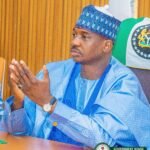
By Sani Umar
Politics is often driven as much by perception as by performance. Governments may execute numerous development projects, but unless those achievements are deliberately showcased to wider audiences, they risk remaining local success stories with limited national impact.
Around the world, successful administrations understand that infrastructure does not only serve economic purposes, it also communicates competence, attracts partnerships, inspires confidence and strengthens political relevance.
In Nigeria’s competitive political environment, where states increasingly compete for federal attention, development partnerships and private investment, visibility has become an important asset.
Governors who invite respected national figures to witness and commission completed projects are not merely observing protocol, they are creating opportunities for independent validation of their achievements and positioning their states more prominently within the national conversation.
Governor Ahmed Aliyu of Sokoto State appears to have embraced this approach as part of his broader development strategy. Since assuming office in May 2023, his administration has not only embarked on extensive infrastructure and social development projects but has consistently invited distinguished personalities from across Nigeria to commission them. The significance of this strategy was once again demonstrated during the recent working visit of the Governor of Taraba State, Dr. Agbu Kefas.
After commissioning the Buzaye/J-Allen Road Network, Governor Kefas expressed admiration for what he witnessed in Sokoto. He described Governor Ahmed Aliyu as a leader with “a very big heart,” commended his administration’s performance, and stressed that governors must continue to unite, cooperate and collaborate in addressing the nation’s challenges. His remarks went beyond diplomatic courtesy, they reflected the assessment of a fellow governor who had personally inspected the projects.
Governor Kefas’ comments perfectly validate the importance of inviting eminent Nigerians to commission projects. Such visitors do not merely perform ceremonial functions; they become credible witnesses to development. Having seen the projects firsthand, they return to their states as ambassadors capable of speaking confidently about Sokoto’s progress and potential.
In every democratic setting, governments are ultimately judged not by campaign promises but by tangible results. Roads, schools, hospitals and other public infrastructure remain the most visible evidence of leadership. By commissioning completed projects publicly, the Ahmed Aliyu administration is presenting a transparent scorecard of its performance and giving citizens an opportunity to assess the value of public expenditure.
These commissioning ceremonies also strengthen public confidence in governance. They demonstrate that government policies are producing measurable outcomes while reinforcing the principles of accountability and transparency. Citizens who witness completed projects are more likely to trust public institutions and support government initiatives.
Equally important is the calibre of personalities invited to Sokoto. Governors, ministers, senators and other respected leaders bring national attention to the state. Their presence transforms local commissioning ceremonies into events of national significance, with media coverage extending well beyond Sokoto’s borders.
Governor Kefas’ public commendation illustrates how these visits reshape perceptions. His acknowledgement of the developmental strides in Sokoto sends a positive message to political leaders, investors and development partners who may previously have had limited knowledge of the state’s ongoing transformation.
Positive perception is itself an economic asset. States that consistently demonstrate stability, prudent resource management and commitment to infrastructure are often better positioned to attract investment, federal interventions and strategic partnerships. The testimonies of visiting leaders add credibility to those efforts because they come from independent observers.
The visits also strengthen intergovernmental relationships. Governor Kefas’ emphasis on unity among governors underscores how such engagements promote cooperation, encourage the exchange of ideas and foster collective solutions to common developmental challenges facing the country.
Beyond the political benefits, project commissioning generates economic activity. Hospitality businesses, transport operators, traders and other service providers benefit from the influx of visitors, while the completed infrastructure continues to stimulate commerce, improve mobility and enhance agricultural and business activities long after the ceremonies have ended.
For many years, Sokoto was primarily recognised for its rich history and religious heritage. Today, it is increasingly earning recognition for visible development initiatives and purposeful governance. Frequent project commissioning, supported by endorsements from respected national figures, is helping to build a new narrative of progress and transformation.
Governor Agbu Kefas’ visit has demonstrated that Governor Ahmed Aliyu’s strategy extends far beyond ribbon-cutting ceremonies. By inviting distinguished personalities to witness completed projects, the administration is projecting Sokoto’s achievements, strengthening the state’s national relevance and creating a network of credible ambassadors whose independent testimonies continue to market Sokoto as a state of opportunity, partnership and sustainable development.
