Ex-Water Resources Minister, Shagari hails Tinubu, Aliyu, cautions politicians against politicizing insecurity
Bashir Rabe October 10, 2026 0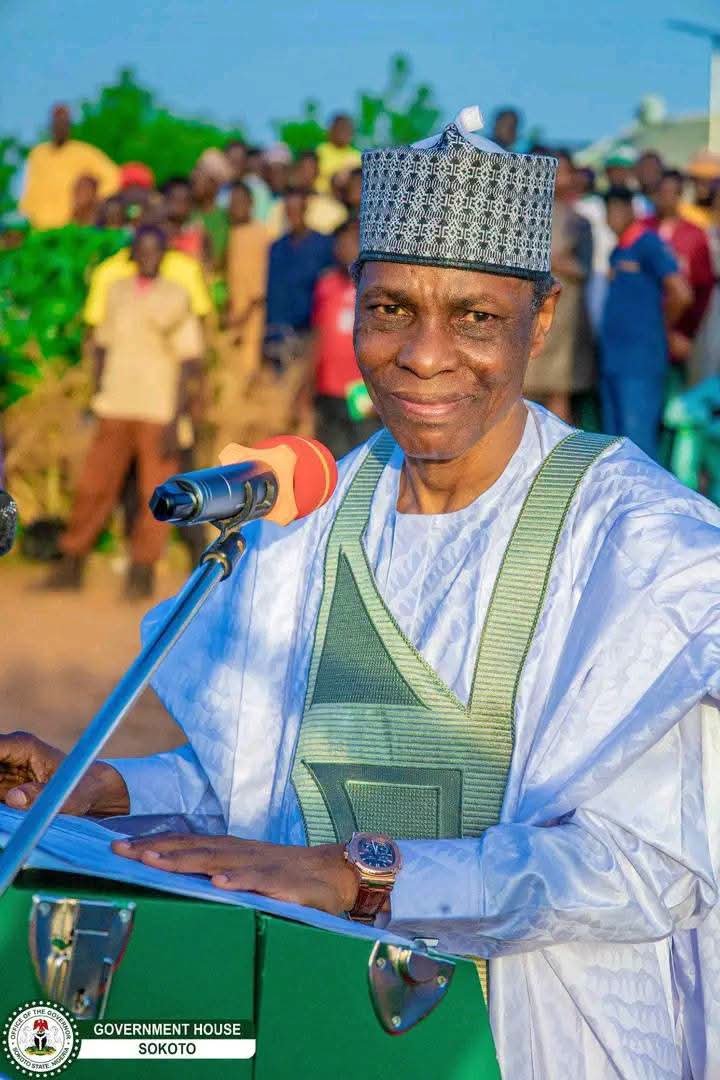
Ex-Water Resources Minister, Shagari hails Tinubu, Aliyu, cautions politicians against politicizing insecurity 
From Bashir Rabe Mani in Sokoto
Nigeria’s former Water Resources Minister, Barrister Mukhtar Shehu Shagari has commended President Bola Ahmed Tinubu for his administration’s efforts to address Nigeria’s security challenges and economic difficulties, as well as the proposed Sokoto–Badagry Super Highway project.
According to him, the mega road project could significantly enhance economic activities, trade and connectivity across the country.
In a statement issued on Saturday in Sokoto by his Media aide, Musa Ubandawaki, Shagari also praised Sokoto State Governor, Dr. Ahmed Aliyu Sokoto, for his commitment to supporting security agencies in the fight against terrorism, banditry, kidnapping and other criminal activities threatening peace and development in the state.
He described Gov. Aliyu as one of the governors actively involved in supporting frontline security operations, particularly through the provision of operational vehicles, logistics and other essential resources to the Nigerian Army, Nigeria Police Force, Department of State Services (DSS), Nigeria Security and Civil Defence Corps (NSCDC) and other relevant security agencies.
Shagari noted that the combined efforts of the Federal Government and state governments remained crucial to restoring peace, protecting lives and property, and creating an enabling environment for investment and sustainable economic development.
He said the Sokoto–Badagry Super Highway initiative, associated with President Tinubu’s administration, represented an important opportunity to strengthen transportation infrastructure, facilitate the movement of agricultural produce and goods, expand commercial activities and connect communities and markets across Nigeria.
According to him, improved road infrastructure could reduce transportation bottlenecks, lower the cost of moving goods, open up agricultural communities and create new opportunities for businesses, investors and entrepreneurs along the corridor.
Shagari stressed that the economic significance of such infrastructure projects should be considered alongside the government’s broader efforts to address insecurity and improve economic conditions, adding that effective implementation, maintenance and complementary investments would be essential to maximising their benefits.
He, however, warned politicians against exploiting insecurity to gain cheap popularity or discredit opponents, particularly as political activities intensify ahead of the 2027 general elections.
He maintained that while constructive criticism of government policies was legitimate in a democratic society, politicians should avoid inflammatory rhetoric and sensational claims capable of creating unnecessary fear, undermining public confidence or damaging the economic reputation of affected communities.
Shagari said the politicisation of insecurity could discourage prospective investors from committing resources to agriculture, livestock production, commerce, infrastructure and other sectors with the potential to generate employment and improve living standards in Sokoto State.
He urged political actors to conduct their campaigns with decorum, maturity and patriotism, emphasising that electoral competition should not come at the expense of public safety, economic stability and the collective interest of the people.
He further called for sustained collaboration between the Federal Government, state governments, security agencies, traditional rulers, religious leaders and community stakeholders to strengthen intelligence gathering, improve operational effectiveness and address the underlying factors contributing to insecurity.
Shagari emphasised that commendation for government initiatives should go hand in hand with continued public scrutiny, accountability and the demand for measurable results, particularly in the areas of security, infrastructure delivery, economic recovery and improved living conditions.
He concluded by urging politicians to make peace, economic development, job creation and the welfare of citizens central to their political engagements, rather than turning the challenges facing the country into weapons of partisan conflict.
He said the overriding objective should be to build a safer and more prosperous Nigeria in which citizens can pursue their livelihoods without fear, businesses can operate with confidence, and major infrastructure investments such as the Sokoto–Badagry Super Highway can deliver tangible benefits to communities and the national economy.