
MSF Trains 200 AIF Staff, Volunteers on Noma Prevention, Early Detection
Bashir Rabe September 28, 2026 0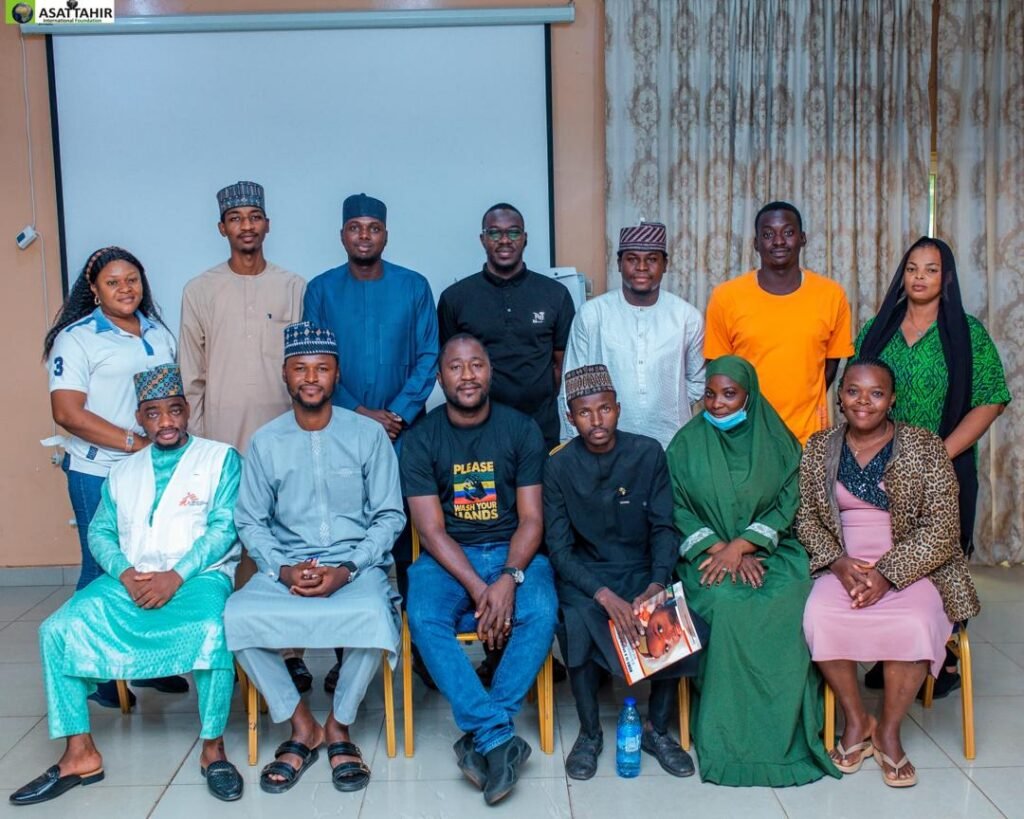
MSF Trains 200 AIF Staff, Volunteers on Noma Prevention, Early Detection



From Bashir Rabe Mani in Sokoto
Médecins Sans Frontières (MSF) has trained 200 staff, community engagers and volunteers of ASATTAHIR International Foundation (AIF) on Noma prevention, early detection and referral.
The two-day capacity-strengthening training, held in Sokoto, was facilitated by the Health Promotion Unit of MSF and drew participants from Sokoto North, Sokoto South and Wamakko Local Government Areas of Sokoto State.
In her welcome address, the Medical Team Lead (MTL) of MSF Sokoto, Florencia Maghanga, commended AIF for its support in the identification and referral of suspected Noma cases to the Noma Children Hospital, Sokoto.
Maghanga highlighted the grave dangers of delayed detection and referral, stressing that early identification and timely referral are critical to saving lives.
She emphasized that prevention remains the best approach, noting that community awareness, early recognition and prompt referral are key to curbing the disease.
According to her, the training equipped participants with practical knowledge to recognize potential Noma cases, promote preventive practices and facilitate timely referral to appropriate health facilities.
Speaking on behalf of AIF, the Head of Programmes and Research, Rufus Yagkong, thanked MSF for organizing the training and for its support in strengthening the capacity of AIF’s frontline personnel.
Yagkong said the knowledge gained would enhance the ability of AIF staff, community engagers and volunteers to contribute more effectively to Noma prevention, early detection and referral.
He added that AIF will integrate Noma prevention and awareness activities into its ongoing programmes across Sokoto State, leveraging its community structures and field presence to promote awareness, encourage early detection and support timely referral.
He noted that the partnership underscores AIF’s openness to strategic collaboration with relevant organizations and stakeholders to strengthen its humanitarian and development interventions and improve outcomes for vulnerable communities.